
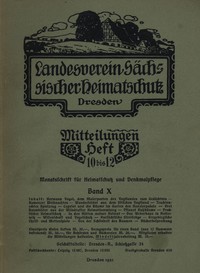
Landesverein Sächsischer Heimatschutz — Mitteilungen Band X, Heft 10-12…
Let's be clear from the start: this is not a novel. 'Mitteilungen Band X, Heft 10-12…' is a collection of bulletins from a Saxon heritage protection society, published between 1933 and 1934. There's no single plot or main character. Instead, it's a record of meetings, field reports, and scholarly articles. Members discuss preserving traditional costumes, restoring a medieval church tower, and cataloging regional dialects. They debate the proper materials for fixing a historic mill. On the surface, it's all about saving the past.
The Story
The 'story' here is the quiet, everyday work of preservation. You follow the society's activities through dry minutes and detailed essays. They are trying to pin down a cultural identity through architecture and folklore. But the chilling part is the context. This was published after the Nazi rise to power. While these reports talk about saving old buildings, the world outside was being violently reshaped. The journal never mentions politics. It just keeps focusing on the height of a fence around a monument or the lyrics to a fading folk song. The tension comes from what is not said. You're left wondering about the people writing these lines. Were they ignoring the new reality, or was this their way of clinging to something normal?
Why You Should Read It
I found this book profoundly moving because it shows history from the ground up. It’s not about grand speeches or battles; it’s about people who believed their work mattered. Reading their careful notes feels intimate, almost like eavesdropping. You see their dedication, and it makes the looming shadow of the era feel even darker. It challenges the idea that everyone in history was fully aware of the tide turning. Sometimes, people just kept doing their jobs. This journal captures that human urge to find order and beauty, even when chaos is at the door.
Final Verdict
This is a special book for a specific reader. It's perfect for history buffs who are tired of sweeping narratives and want to feel the texture of a lost time. If you're fascinated by World War II-era Germany but want to look beyond the well-trodden paths, this primary source is a goldmine. It's also great for anyone interested in cultural preservation or archival work. Fair warning: it requires patience and reading between the lines. But if you give it your attention, this unassuming journal offers a perspective on the 1930s that most history books completely miss. It's a quiet, powerful reminder of the stories hidden in plain sight.
This historical work is free of copyright protections. You do not need permission to reproduce this work.
Jessica Lee
5 months agoThe methodology used in this work is academically sound.
Susan Rodriguez
1 month agoThe clarity of the introduction set high expectations, and the argument presented in the middle section is particularly compelling. This is a solid reference for both beginners and experts.
Jennifer Davis
2 years agoThis is now a staple reference in my professional collection.
Donald Jackson
2 years agoThis was exactly the kind of deep dive I was searching for, the bibliography and references suggest a high level of research and authority. This should be on the reading list of every serious professional.







Jessica Brown
3 months agoI've gone through the entire material twice now, and it manages to maintain a consistent flow even when discussing difficult topics. A mandatory read for anyone in this industry.