
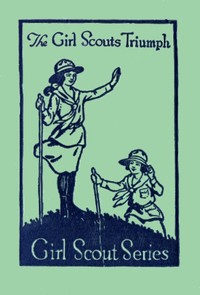
The Girl Scout's Triumph; or, Rosanna's Sacrifice by Katherine Keene Galt
I’ve got to be honest: when I picked up The Girl Scout’s Triumph; or, Rosanna’s Sacrifice, I expected a simple, sweet read from another time. And yes, it’s wholesome. But it’s also surprisingly gripping, with a plot that kept me turning pages faster than cookies fly off a troop’s table on donation day.
The Story
Rosanna is a Girl Scout in the early 20th century, and she lives by the Scout Law—helpful, loyal, and brave. But life tests her when she stumbles into a tangled problem. It involves a missing object (I won’t spoil it), a friend in trouble, and a secret that could rip apart her family or her troop. She’s stuck: if she tells what she knows, she might betray someone’s trust. If she stays quiet, wrong things will stay wrong.
The plot moves through scout hikes, campfires, and friendly rivalries—simple scenes that hide deeper worries about doing good when it’s hard. By the end, Rosanna’s choice isn’t easy, but reading about how she sticks to her principles feels timeless. Think of it like a gentle mystery wrapped in scout spirit.
Why You Should Read It
What hit me hardest wasn’t the mystery, but the heart of this girl. Rosanna is no perfect hero. She feels angry, scared, and wants her own way sometimes—just like anyone. That made her so real to me. And the book quietly celebrates quiet courage and commitment to friends. There are themes of sacrifice (yes, the title is honest) and learning that being a leader often means putting other people first. I also loved the look into what Girl Scouts meant back then—how they learned camping, first aid, and how to be reliable. It’s history hiding inside a story. The language is old-fashioned, but not distractingly so. For middle-grade readers or adults wanting a gentle read about ethics in action, this is natural, friendly, and packs more emotional punch than I assumed. No one’s smashing plot twists, just deep, everyday bravery.
Final Verdict
If you adore classic kids’ series like the Nancy Drew or Little House, or if used to be a scout yourself, this book will feel like unwrapping a present. It’s pure comfort food for your mind—perfect for a quiet afternoon at home, or a parent-child book club. The story’s central choice sits with you long after you close the book: Would I be that brave? Despite its age, it feels fresh because kindness and loyalty never get old. I say, grab a copy and connect with a time when scouts did things, did them well, and learned who they are.
This book is widely considered to be in the public domain. Use this text in your own projects freely.


Susan Lee
4 months agoI started reading this with a critical mind, the structural organization allows for quick referencing of key points. I'm genuinely impressed by the quality of this digital edition.